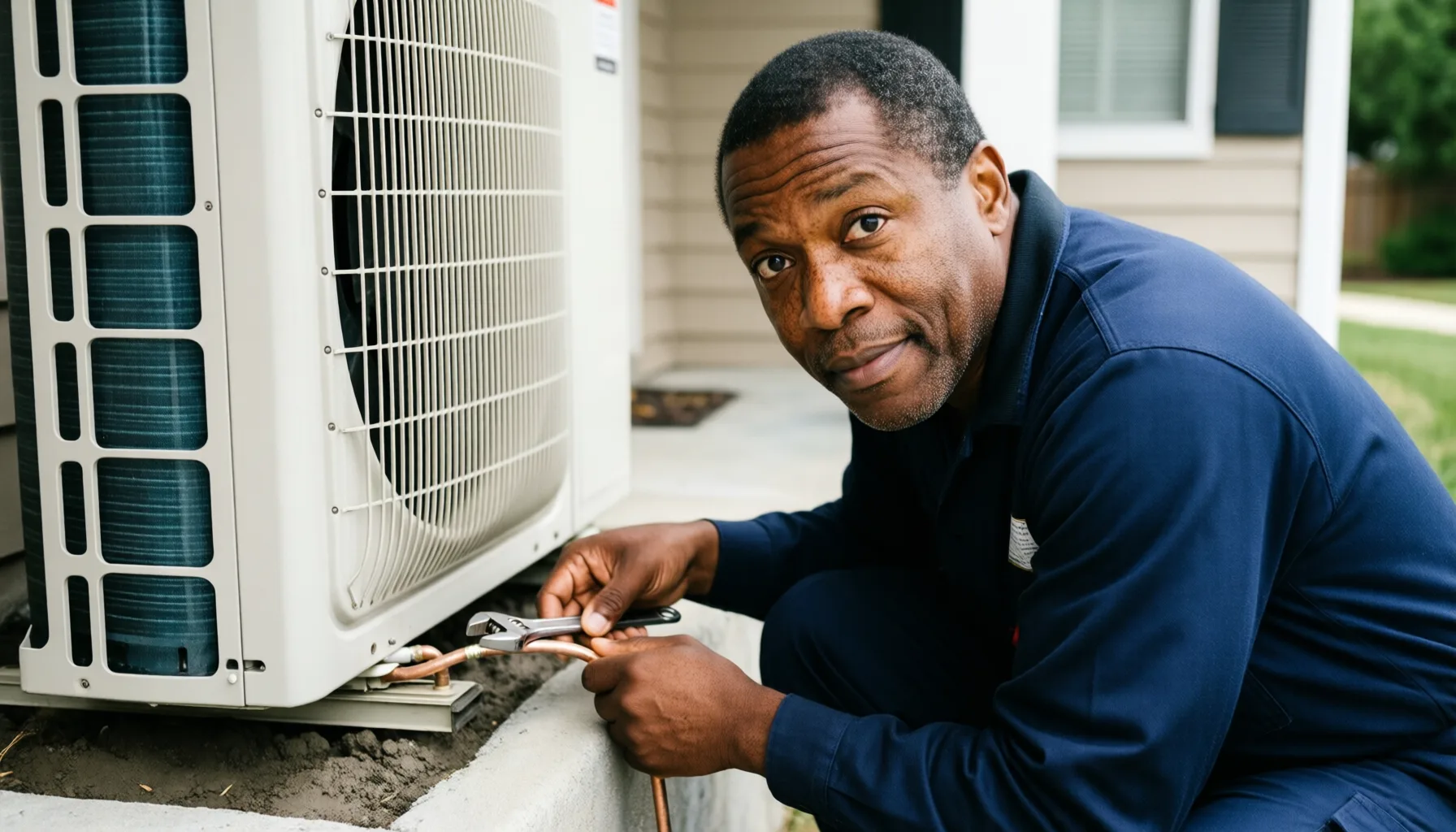
Top 3 AC Problems Miami Homeowners Report Every Fall
Published: 2026-05-31 · By AC Repair Coral Gables Pros
As summer fades and Miami's weather begins to shift, homeowners often notice a subtle yet significant change in their air conditioning systems. Autumn in Miami brings challenges unique to our tropical climate, including increased humidity and the threat of hurricanes. It's not just the changing seasons that can lead to AC issues, but also the implications of our salt-laden air and the wear it brings. Homeowners frequently report a few common problems that, if left unattended, can lead to costly repairs. Understanding these issues can help sustain your unit's efficiency, especially with the unpredictable Florida weather.
Why This Matters for Miami Homeowners
The high humidity in Miami during fall can lead to a range of AC issues, primarily affecting its performance and lifespan. Miami's salt air can accelerate corrosion, which is particularly problematic for HVAC components. Homeowners often report issues like mold buildup, which thrives in damp environments, or refrigerant leaks, both leading to inefficiencies or system breakdowns.
Another common problem is the condensation experienced on the evaporator coils, which can freeze and cause airflow disruption. With the added humidity due to tropical storms, this situation worsens, making your air conditioner work overtime and possibly hiking up energy costs.
Additionally, Miami's unique building stock, elevated homes with moisture barriers and the threat of coastal storms, can affect drainage systems associated with AC units, leading to significant operational troubles. This is why being aware of these potential pitfalls is critical, especially for those who rely heavily on air conditioning during the more humid fall months.
Expert Solutions & Actionable Tips
1. Maintain Clean Condenser Coils
Corrosion caused by salt air can build up on your condenser coils. Regular cleaning can prevent this issue from escalating. Schedule a professional cleaning at least twice a year, costing between $100 and $200, to ensure optimal performance.
Be proactive. If your AC starts making strange noises or your power bill increases unexpectedly, it's time for a checkup. Inspect these coils yourself and gently clean with a soft brush if you can reach them safely.
2. Seal Ducts and Vents
With high humidity, poorly sealed ducts can lead to moisture getting trapped, promoting mold growth. Seal any known leaks to improve your AC efficiency, potentially reducing energy bills by as much as 20%.
Hiring a professional for a complete duct inspection may cost you around $300-$500, but preventative action now can avoid larger expenses from potential mold remediation down the road.
3. Check and Replace Filters Regularly
In the humid environment of Miami, filters can become clogged quickly, restricting airflow. Regularly checking and changing filters every 1-2 months can prevent strain on your AC system.
Filters typically cost between $10 and $50, depending on type. Setting reminders to replace them can save you from costly repairs later in the season.
4. Inspect Drain Lines
Drain lines can clog with algae or mold, particularly in humid conditions. This can cause backup issues, which might damage your system and lead to costly repairs. Inspect your drain line monthly, and if you notice any blockages, clear them promptly.
You can use a wet/dry vacuum for around $60 to help clear drains, or call a professional, costing about $100 to $150 for a more thorough cleaning.
5. Schedule Professional Inspections
Annual inspections are crucial for catching problems before they worsen. A professional can help identify issues like refrigerant leaks or malfunctioning thermostats, typically costing between $80 and $150.
In Miami’s climate, scheduling these inspections before the peak of the rainy season can ensure your AC operates smoothly when the increased humidity hits.
6. Understand Your System’s Age
If your air conditioning unit is over 10-15 years old, it may be time to consider a replacement, especially given Miami's harsh environment. Newer systems are typically more energy-efficient and better suited to combat humidity and salt air.
Budget for a new unit expected to cost between $3,000 and $7,000, including installation. Investing in a modern unit can lead to long-term savings on energy bills.
Miami Climate & Local Context
Miami’s tropical climate heavily influences the types of air conditioning systems installed in residences. Elevated homes with appropriate moisture barriers are built to mitigate flood risks, which means AC systems must adapt to reductions in airflow caused by environmental pressures.
Additionally, local building codes require specific installations to accommodate the threat of storms and hurricanes, influencing the types of AC units available. Homeowners should ensure their systems are compliant to avoid any violations that could impact future insurance claims.
Salt air accelerates wear, making it essential for local homeowners to select equipment specifically designed for coastal conditions, which often come at a premium but provide longer-lasting performance.
When to Call a Professional
In Miami, knowing when to repair your AC yourself and when to call a professional can save you both time and money. Minor issues, like filter changes or small clogs, might be manageable without assistance, whereas more significant concerns should be addressed by seasoned professionals.
- Persistent noise from your unit
- Increased humidity indoors
- Puddles around the AC unit
- Strange odors emanating from vents
- Warm air blowing from vents
- Annual maintenance beyond your capacities
- Outdated components requiring upgrading
If you notice any of these red flags, do not hesitate to contact experienced technicians like AC Repair Coral Gables Pros to ensure your system remains efficient throughout the fall. Regular maintenance can significantly prolong the lifespan of your unit and keep home air safe and comfortable.
Frequently Asked Questions
What is the most common AC problem for Miami homeowners?
Many Miami homeowners report refrigerant leaks and issues with moisture buildup due to humidity and salt air, which can lead to severe inefficiencies.
How often should I have my AC unit serviced in Miami?
It is best practice to have your AC serviced at least twice a year, ideally before and during the humid months to handle potential issues early.
Can high humidity affect my AC's performance?
Yes, the high humidity levels common in Miami can strain AC systems, leading to excess moisture, mold growth, and reduced efficiency.
What signs indicate I need to replace my AC system?
If your unit is over 10-15 years old with rising repair costs or inefficiency, it may be time to consider a replacement.
Is DIY maintenance sufficient for my AC unit?
While basic maintenance like filter changes can be DIY, complex issues like refrigerant leaks or mechanical failures should be handled by professionals.
Get Expert Air Conditioning Repair Service in Miami
Maintaining your air conditioning system in Miami isn't just about comfort; it's essential for safety and efficiency. For expert assistance, look no further than AC Repair Coral Gables Pros. Our team understands the unique challenges that Miami homeowners face.
Don't wait for issues to develop—call us today at (786) 386-4559, and let us help you keep your AC running smoothly this fall.